
Connect Internet Solutions
Award-winning digital agency


Increasing sales of personalised plates
- Database Management
- Design
- Development
- Hosting
DVLA rely on us to ensure their Personalised Registrations service performs to the best possible standard, particularly on busy days when new plates are released to the public.

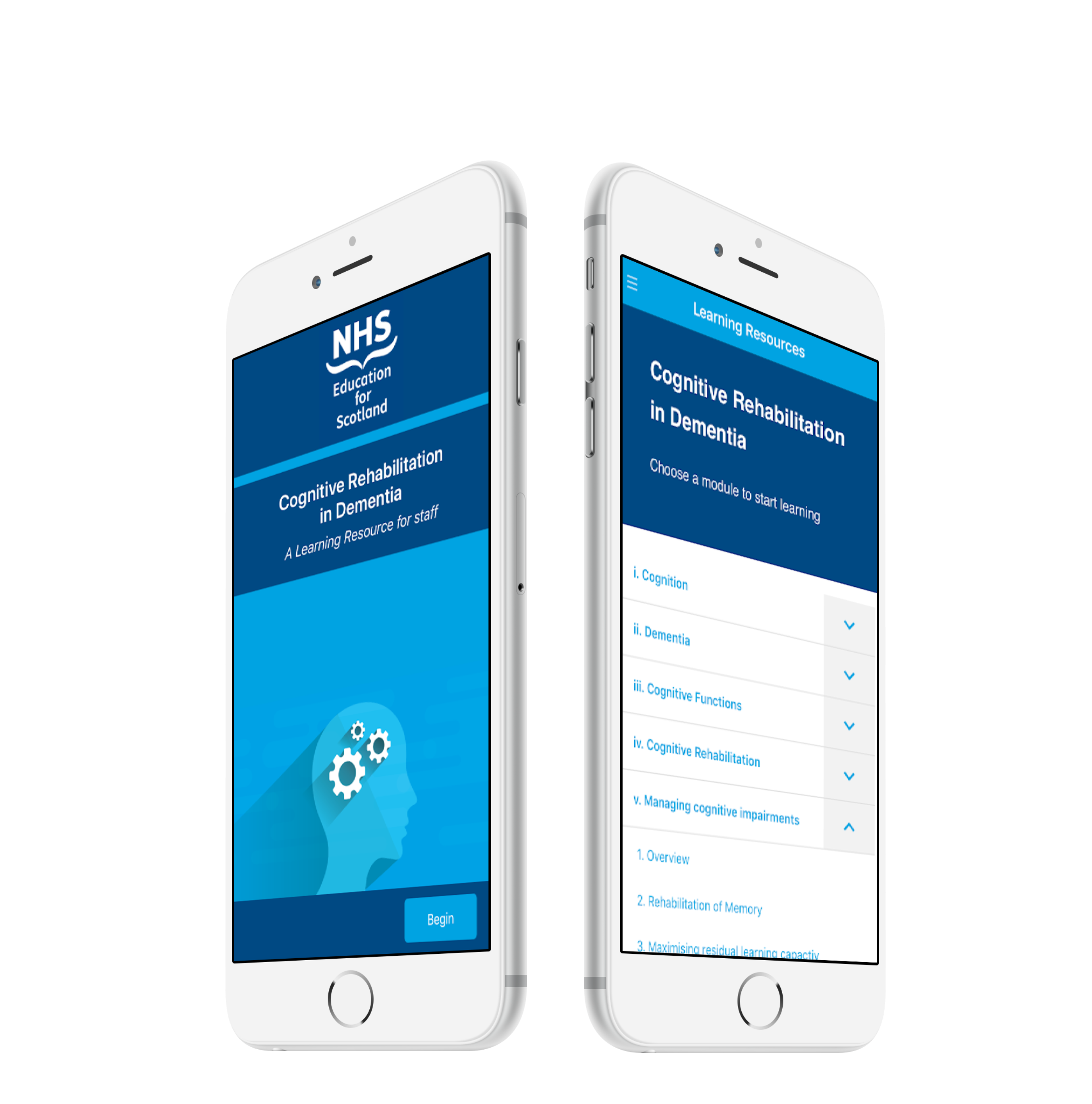
Supporting a world class health system
- Accessibility Audits
- Design
- Development
- Hosting
- Intranet
- Mobile App
We work with the NHS on projects that help the health of our nation, drive down costs and fuel efficiencies.
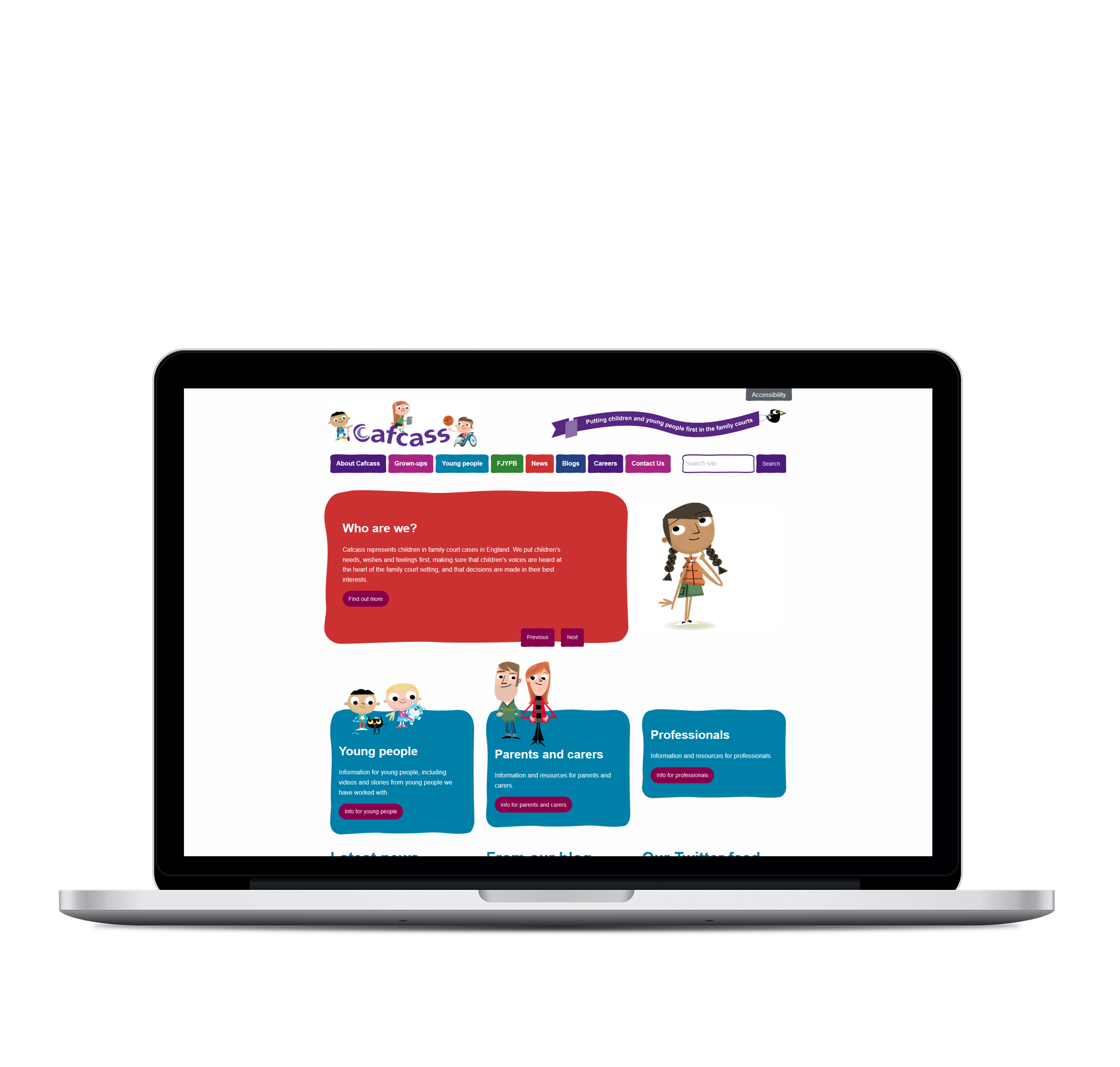

Helping individuals in the judiciary system
- Design
- Development
- Hosting
- Support & Maintenance
Through the delivery of a rich, responsive website with informative content, we utilised technology to better serve Cafcass’ audiences.
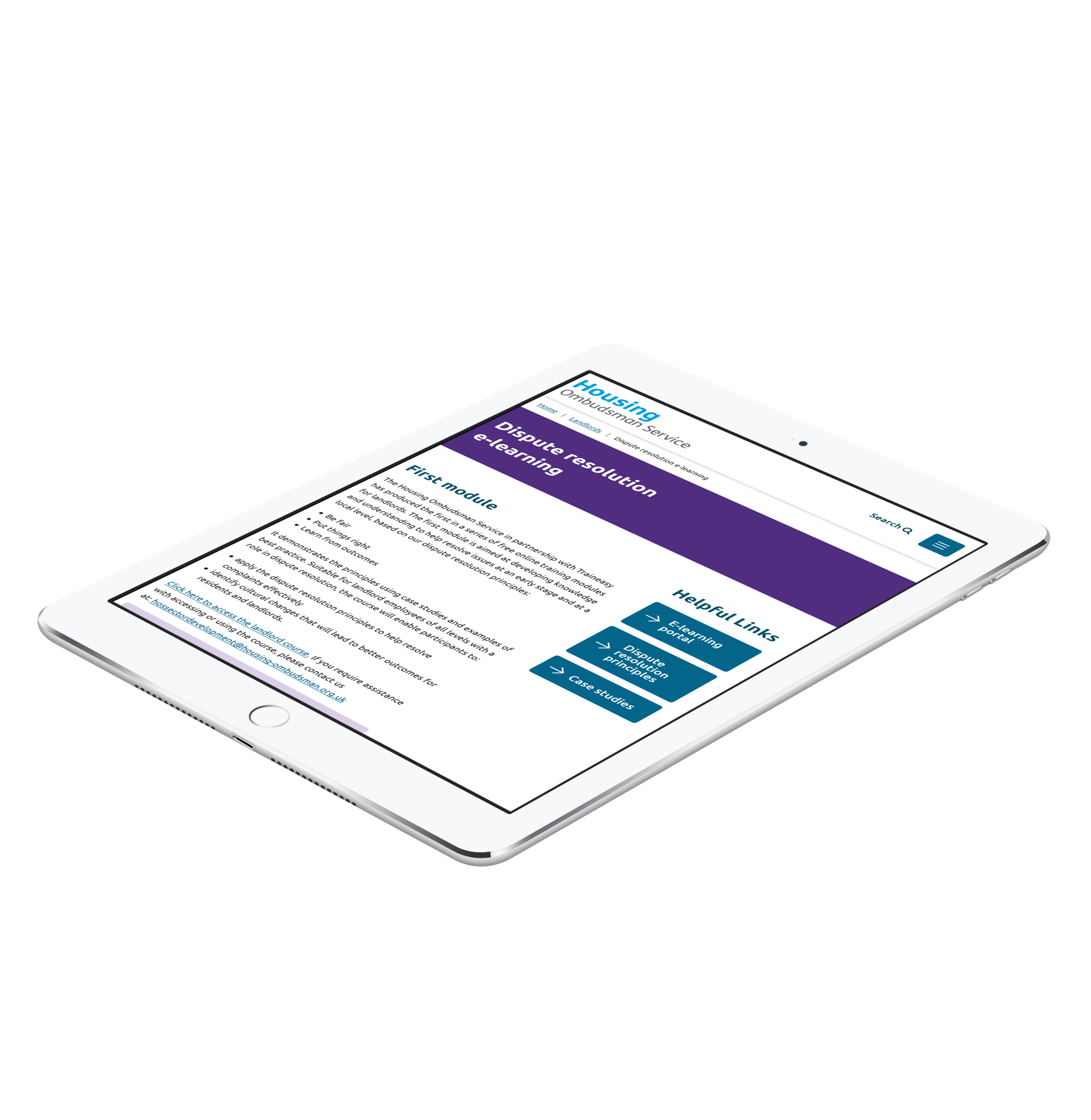
Resolving housing disputes online
- Design
- Development
- Hosting
- Support & Maintenance
The responsive website we delivered to the Housing Ombudsman increases the quality of guidance on offer for residents and landlords.